Protecting Your Oaks: Understanding Seasonal Pruning Restrictions
The "No-Cut" Rule: Preventing Oak Wilt in Waconia and Victoria.
1/12/20261 min read
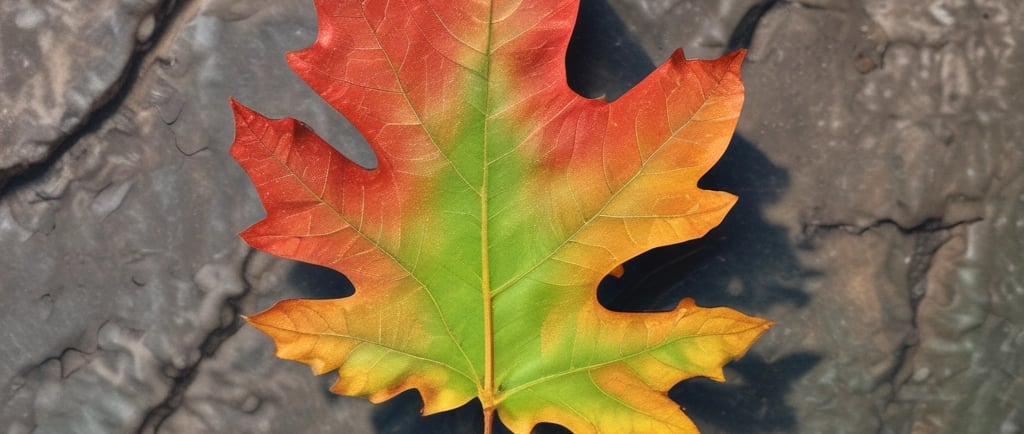
If you drive through the established neighborhoods of Waconia or the wooded lots of Minnetrista, you’ll see one tree species standing tall above the rest: the mighty Oak. Whether it’s a sprawling Bur Oak or a majestic Red Oak, these trees are the backbone of our local ecosystem. However, they are facing a silent, deadly threat known as Oak Wilt.
At True 'n' Fair Tree Care, we are on a mission to save our local oak population. The most effective way to do this is by strictly adhering to seasonal pruning guidelines.
What is Oak Wilt?
Oak Wilt is an aggressive fungal disease that attacks the water-conducting vessels of a tree. Once infected, the tree attempts to block the fungus by plugging its own vessels, effectively committing suicide by cutting off its water supply. In the Red Oak family, this can kill a mature tree in as little as four weeks.
The "High-Risk" Season in Carver County
The disease is spread primarily by sap-feeding beetles (Nitidulidae). These beetles are active when the temperature warms up—typically from April through July in Minnesota.
The Attraction: Fresh pruning cuts smell like "dinner" to these beetles. If you trim an oak in June, beetles can find the wound within 15 minutes.
The Infection: If those beetles have visited an infected tree (a "spore mat"), they carry the fungus to your healthy tree.
When Is It Safe to Trim?
To protect your property, we follow a strict "Safe Season" protocol. The best time to prune oaks in Waconia and Victoria is during the dormant winter months—November through March. During this time:
The beetles are inactive/frozen.
The fungal spores are not being produced.
The tree is dormant, reducing stress from the cut.
What If Storm Damage Happens in July?
Summer storms in the West Metro don’t care about the "No-Cut" rule. If a branch snaps during a storm in July, we must act fast. In these emergency cases, our certified arborists use a non-toxic tree wound dressing (often a latex-based paint) immediately after making the cut. This seals the scent, preventing beetles from swarming the wound.
Contact
Serving Waconia and the surrounding area daily
Phone
info@tftrees.com
(952) 737-2300
© 2026. All rights reserved.